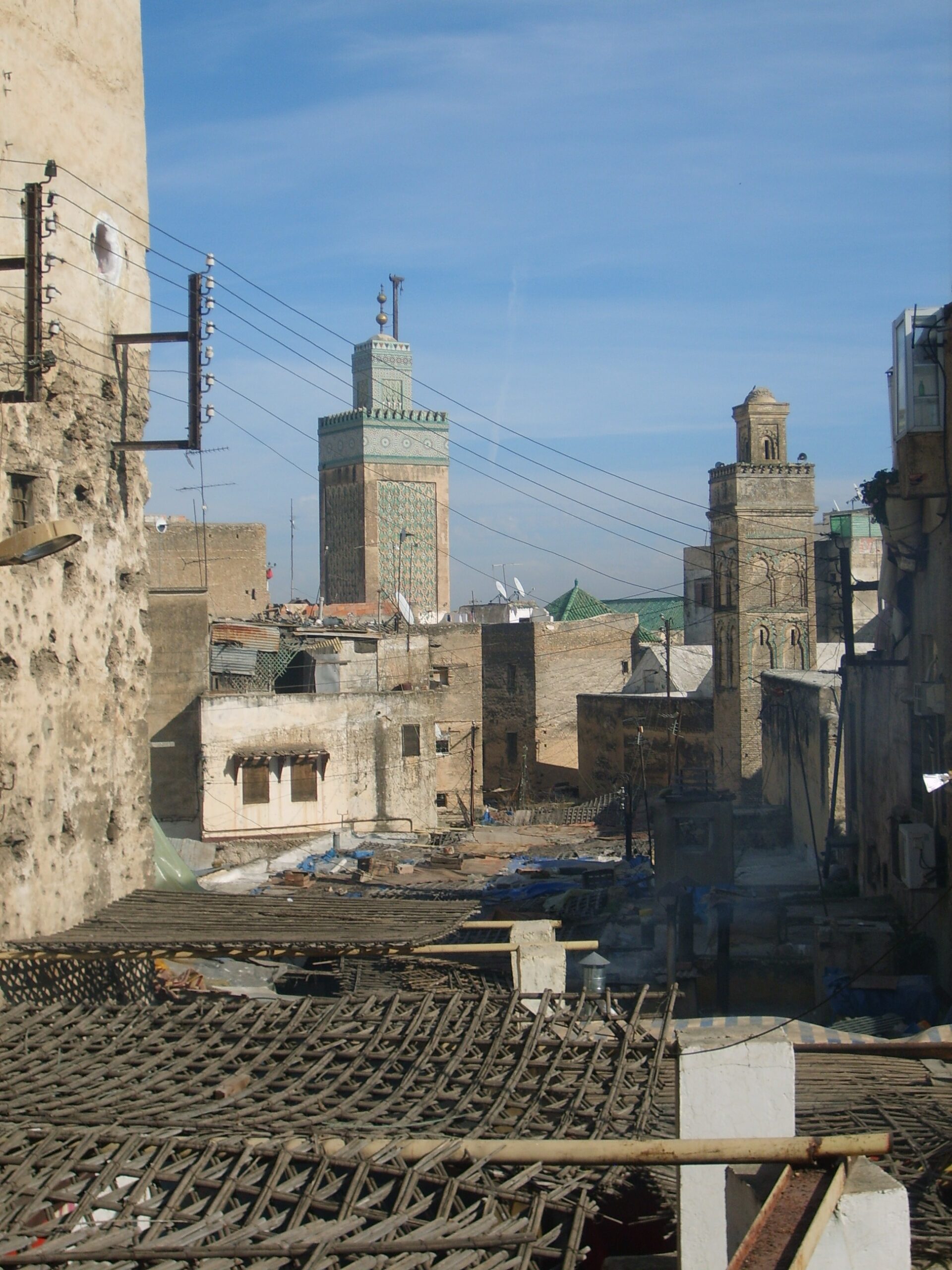
Step into almost any historic madrasa, mosque or riad in Morocco and the walls are likely to shimmer with geometric mosaics. That tilework is called zellige (also spelled zellij), and Morocco is the country where the craft has survived most fully into the present day.
A craft with deep roots
According to Wikipedia’s overview of the art form, zellij mosaics developed in the western Islamic world around the 10th and 11th centuries, and grew more complex under the Marinid and other dynasties in the 14th century. After the 15th century it fell out of fashion in most countries, but not in Morocco, where it is still made. The same source cites the minaret of the Kutubiyya Mosque in Marrakech, from the mid-12th century, as the earliest reliably dated example in the country.
How it is made
Zellige starts with glazed ceramic squares, typically around 10 centimeters wide. Craftsmen cut them by hand into small pieces with a hammer, shaping each one to fit a pattern they largely know by heart. The pieces are then laid face down like a puzzle and bonded together with a thin layer of plaster before the panel is fixed to the wall.
- Cutters work largely by eye and feel, using a small hammer and a pointed blade known as a menkach, according to the Fez-based El Fenn hotel’s profile of local artisans.
- Traditional shapes have their own names, including the herringbone-like bejmat and small squares such as the ddoudab.
- Because every tile is handmade, small variations in color and edge are part of the look rather than a flaw.
Fez at the center
Fez remains the most important production center, with Meknes, Salé and Marrakech generally following its style, while Tétouan has its own tradition, Wikipedia notes. Training is long: apprenticeships can last around ten years. The same source reports that interest is declining, with only 7 of 400 students in Fez enrolling in zellij training in 2018.
Where to see it
Notable examples include the Bou Inania and Al-Attarine madrasas and the Bab Bou Jeloud gate in Fez, the Saadian Tombs in Marrakech and the Hassan II Mosque in Casablanca. Visitors planning a trip to the old city can pair it with our look at plans for a cable car over the Fez medina, or explore another of the country’s color-rich towns in our guide to Chefchaouen.
Whether on a fountain, a floor or a palace wall, zellige remains one of the clearest examples of Moroccan craftsmanship, and each panel is the result of years of hand training.
Sources: Wikipedia, Zellij; El Fenn, The artisans of Morocco: zellige tiling



Leave a Reply