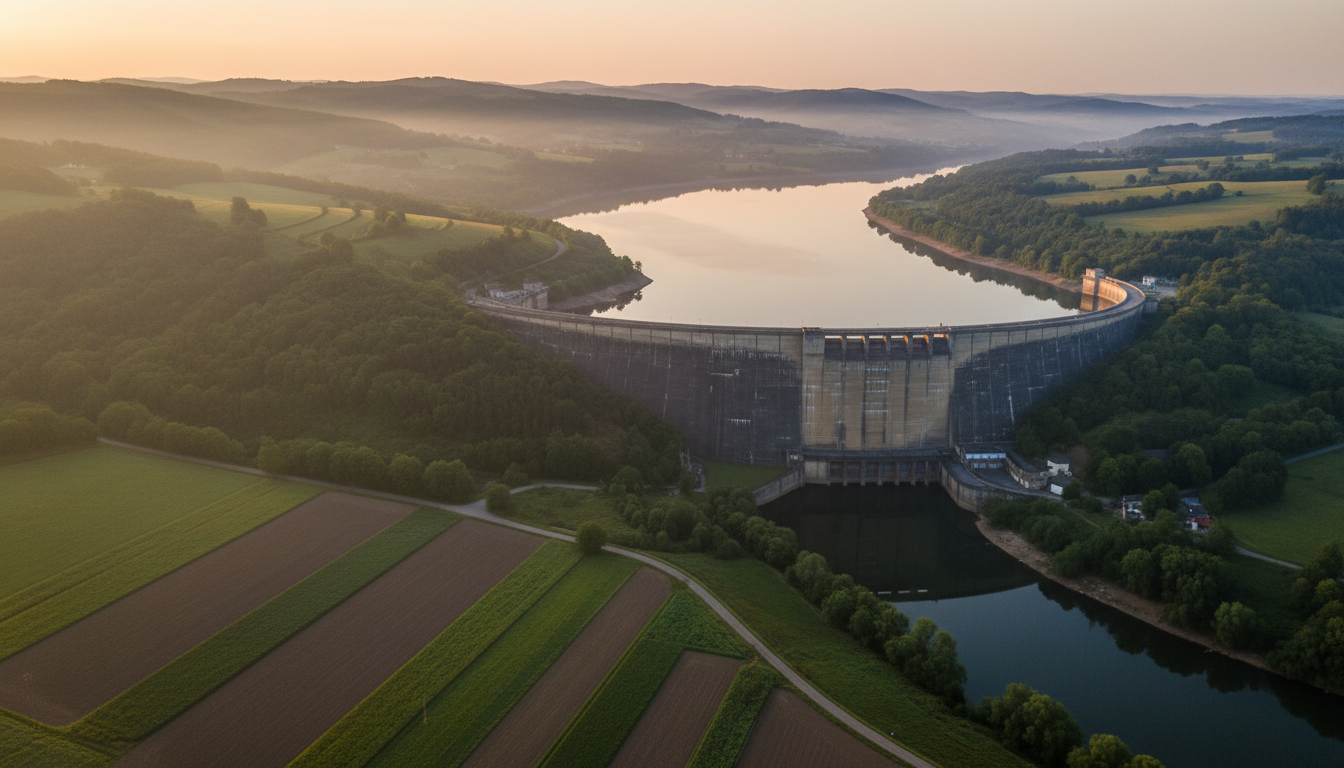
Morocco is entering the 2026-2027 agricultural season with the highest dam reserves seen in roughly ten years, a change that is expected to bring irrigation back to several farming regions that had been under restrictions.
The numbers behind the recovery
According to TelQuel, which relayed a report from Hespress, national dam reserves stood at 66.69% of capacity in early October, equal to more than 11.355 billion cubic metres of water. The outlet described the level as unprecedented for at least a decade, citing a source at the Ministry of Agriculture.
The picture is far better than a year ago. In June, Hespress reported figures from the Ministry of Equipment and Water showing reservoirs at 75.64%, or about 12.88 billion cubic metres, compared with 39.53% on the same date in 2025. Some basins saw particularly sharp gains, including Oum Er-Rbia, which rose to 65.87% from 11.97%, and Tensift, which reached 94.61%.
What it means for farmers and cities
According to the same report, irrigation is due to resume gradually in the Doukkala, Haouz and Tadla basins, with activity expected to return to levels last seen in 2017-2018. Crops such as citrus, olives, pomegranates and apples are expected to perform well.
- A pipeline now brings drinking water to Marrakech from the Jorf Lasfar desalination plant, which should ease competition with irrigation.
- Current reserves could cover demand for about three years if rainfall is average, the source said.
- Risks cited include higher energy, input and fertiliser costs, global disruptions and a shortage of seasonal harvest labour.
The stronger water position also supports the wider economic picture. For context, see our coverage of the IMF’s latest outlook for Morocco and of the country’s cattle import quota, both linked to the health of the farm sector.
With reservoirs well stocked heading into winter, the coming rainy months will show whether the recovery can be sustained, but for now farmers and water managers are starting the season in a much stronger position than in recent years.
Sources: TelQuel; Hespress English. Image: AI-generated illustration.

Leave a Reply