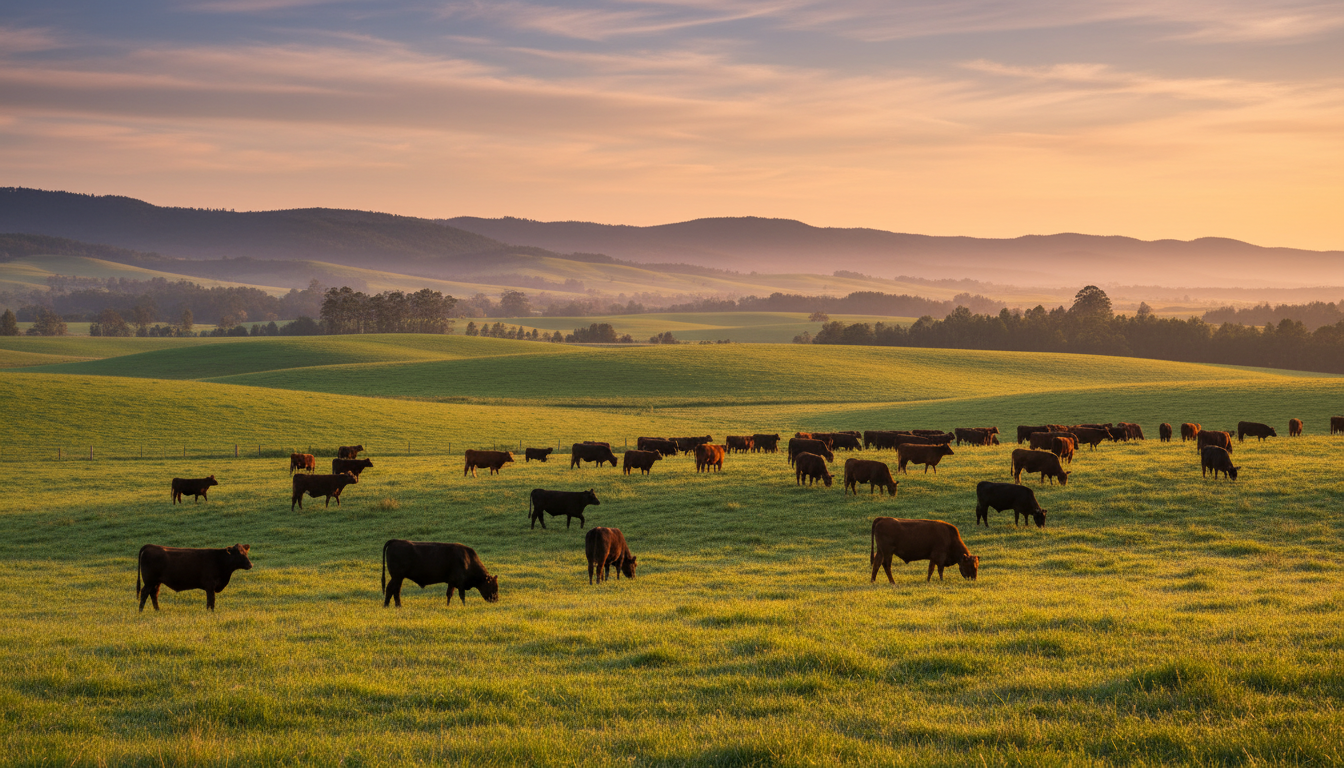
Morocco has reached the ceiling of 300,000 cattle it set for slaughter imports in 2026, according to the Ministry of Agriculture, Maritime Fisheries, Rural Development, and Water and Forests, as reported by Morocco World News.
Where the cattle came from
The ministry says imports averaged about 24,000 head a month, though volumes varied over the year. More than 44,000 animals arrived in June and July, against roughly 17,000 in August and September. A total of 37 companies took part.
Over 90% of the cattle came from Brazil, where supplies were more readily available than in European countries, the ministry said. Requests rose in October after imports from Portugal opened, with the ministry pointing to its proximity as a logistical advantage.
How the scheme worked
- Customs duties and value-added tax were suspended on imports of the 300,000 head for 2026, with exemptions running until December 31.
- Imports opened to all importers and industry professionals on February 2, without prior authorization.
- Requests go through the PORTNET platform, are handled in order of arrival and take less than 24 hours, and each exemption is valid for one month.
Why it matters
The ministry says the imports helped keep domestic markets supplied with red meat and contributed to price stability. It links high prices in recent years to a drop in animals available for slaughter, caused by repeated droughts, feed shortages and higher feed costs. Some farmers also slaughtered female cattle, reducing future production.
Prices remain elevated: in August, beef sold for MAD 90 to 120 per kg and lamb for MAD 140 to 160 per kg, according to the same report. Food and fuel also pushed up the latest monthly reading in our coverage of Morocco’s September consumer prices, while fuller reservoirs bring some relief for farmers, as we noted in the start of the 2026-2027 farming season.
With the quota used up, the exemptions that remain valid for animals already approved will continue to be counted until the end of the year, the ministry said.


Leave a Reply