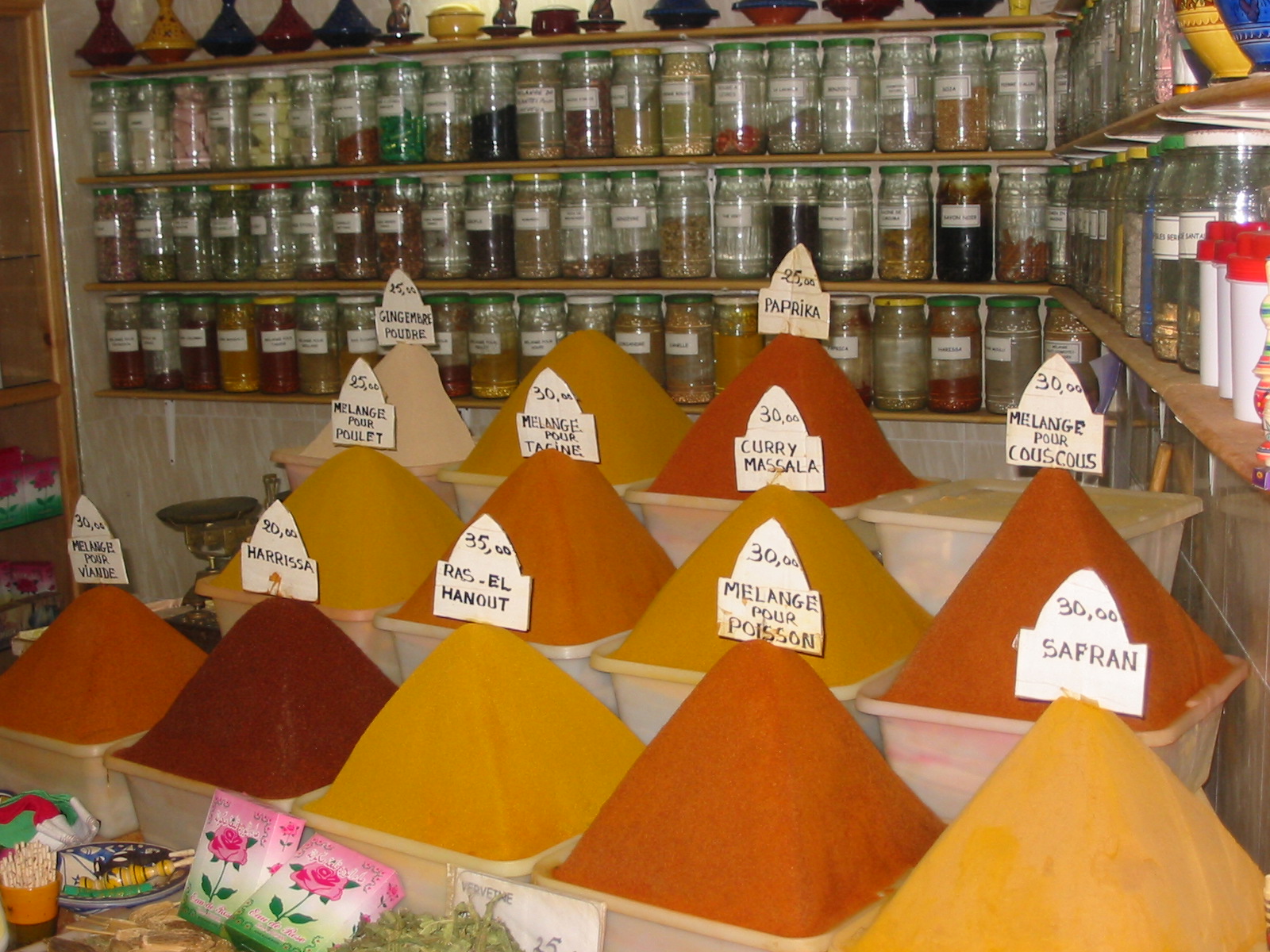
Moroccan food is built on slow cooking, fragrant spices and shared tables, and a handful of classic dishes appear in homes and restaurants from Casablanca to Fes. This guide covers eight traditional dishes every visitor should try, with what goes in them and when Moroccans traditionally eat them.
Key facts: Moroccan dishes at a glance
- Tagine: slow-cooked stew named after its cone-shaped clay pot.
- Couscous: steamed semolina with vegetables and meat, traditionally served on Fridays.
- Pastilla: a sweet-and-savoury pie in thin pastry, often served at weddings.
- Harira: tomato, lentil and chickpea soup, a Ramadan staple.
- Msemen: flaky buttered flatbread, a classic breakfast.
- Mint tea: the national hospitality drink.
- Chebakia: honey-soaked sesame cookies eaten during Ramadan and celebrations.
- Mechoui: whole lamb roasted slowly for gatherings and festivals.
Tagine and couscous: the everyday classics
A tagine takes its name from the conical clay pot it is cooked in, whose shape returns steam to the stew and keeps the meat tender. Common versions include chicken with preserved lemons and olives, lamb with apricots or prunes, kefta meatballs in tomato sauce topped with eggs, and vegetarian versions with chickpeas.
Couscous is made from steamed semolina granules served under a stew of vegetables and meat or chicken. Families traditionally gather for it on Friday lunchtime. The celebrated seven-vegetable version, sometimes called couscous bidaoui, is linked to Casablanca and is often piled high for weddings and festive meals.
Pastilla, harira and festive Moroccan dishes
Pastilla (also spelled bastilla) wraps spiced chicken, almonds and sweet seasonings such as cinnamon and saffron in thin warqa pastry, finished with powdered sugar. It was traditionally made with pigeon, though chicken is now more common, and it is a favourite at weddings and banquets, especially in Fes and Meknes.
Harira is a tomato-based soup with lentils, chickpeas, herbs and spices, traditionally served to break the fast during Ramadan and often eaten with chebakia, the flower-shaped sesame cookies fried and soaked in honey. For big gatherings, mechoui, a whole lamb seasoned with cumin, paprika and garlic and roasted slowly, takes centre stage.
Breakfast, bread and mint tea
Bread is central to the Moroccan table: round, crusty khobz is used to scoop up stews, while msemen, a layered and buttery flatbread, is usually eaten in the morning with tea or coffee, plain or with cheese, honey or jam. Mint tea, green tea with fresh mint and plenty of sugar, is poured from a height to create a frothy top and is offered to guests as a gesture of hospitality.
Planning a trip? Try these dishes in the medinas covered in our guides to one day in Marrakech and Fes el-Bali, or by the sea in Essaouira. More ideas are in our Culture and Sport section.
Moroccan food FAQ
What is the most famous Moroccan dish?
Tagine and couscous are the two best-known dishes, and both are easy to find in restaurants across the country.
Why is couscous eaten on Fridays?
It is a long-standing custom: families gather for a communal couscous lunch after Friday midday prayers, and the dish takes hours to prepare.
When is harira served?
Harira is the traditional dish for breaking the fast in Ramadan, though it is also eaten as a hearty soup at other times of year.
Sources: WeRoad, Tasting Table


Leave a Reply