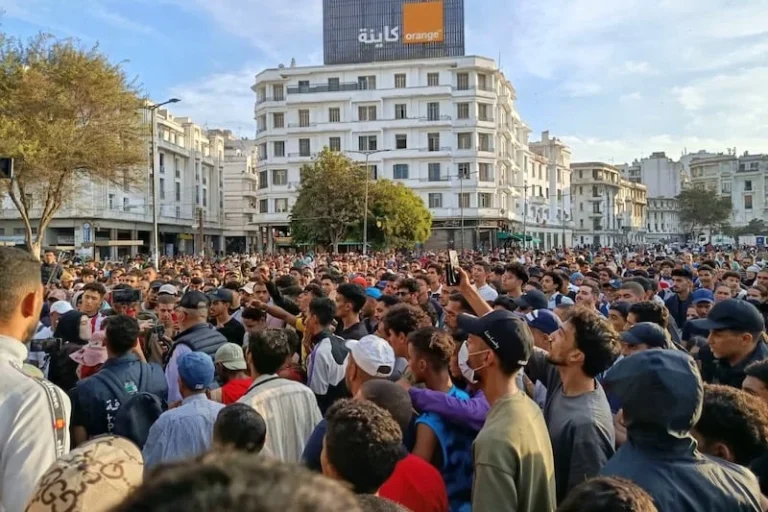
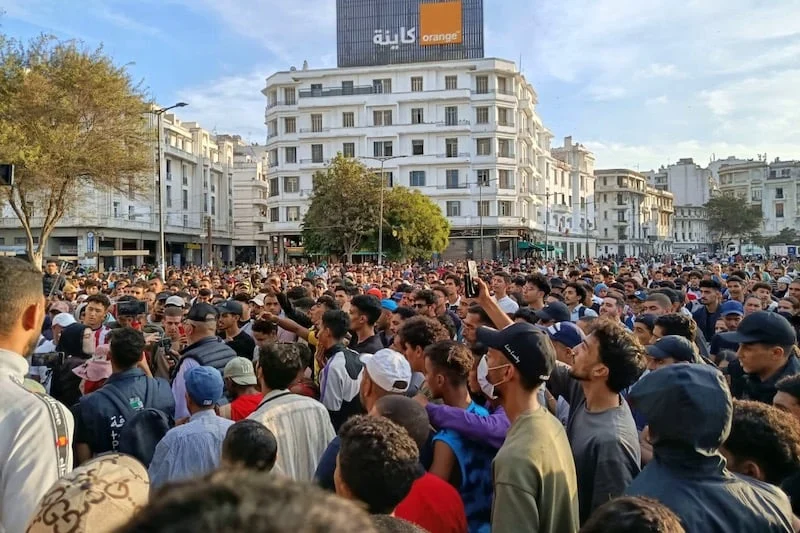
Morocco’s High Authority for Audiovisual Communication (HACA) released a comprehensive study examining the evolution of digital political communication and citizen mobilization. The study traces a trajectory from the February 20 Movement (born out of the 2011 Arab Spring) to the “Gen Z 212” movement.
Key Takeaways from the HACA Study
Evolution of Platforms & Tools: The study highlights how digital mobilization shifted from Facebook and early blogging platforms during the 2011 February 20 Movement to decentralized channels like Discord servers, TikTok, and Instagram during the Gen Z 212 mobilization.
Shift in Leadership & Tactics: Unlike traditional political organizations or party machines, movements like Gen Z 212 operate as decentralized, non-partisan networks without formal hierarchies or singular spokespeople. They leverage social media to rapidly organize bottom-up civic actions and protests.
Socioeconomic Demands vs. Political Contestation: HACA tracks how youth online mobilization has increasingly focused on direct socioeconomic grievances—such as public health, education reforms, youth employment, and anti-corruption—rather than purely formal institutional politics.
Regulatory & Disinformation Challenges: The study addresses the dual impact of social media as both an instrument for civic expression and a source of political communication challenges, including algorithmic amplification, fake news, and the breakdown of traditional political mediation.
Impact on Policymaking: Online pressure has forced state institutions and traditional political parties to adapt, pushing officials toward greater digital transparency (e.g., live-streamed committee meetings) and direct government responses to digital campaigns.
Open Channels News host Robert shares AI’s evolving role, highlighting Meta’s Home Link for hardware integration, GPT-6 Astra’s gameplay without visuals, and BootLoops enhancing scientific research tools.
About The Author