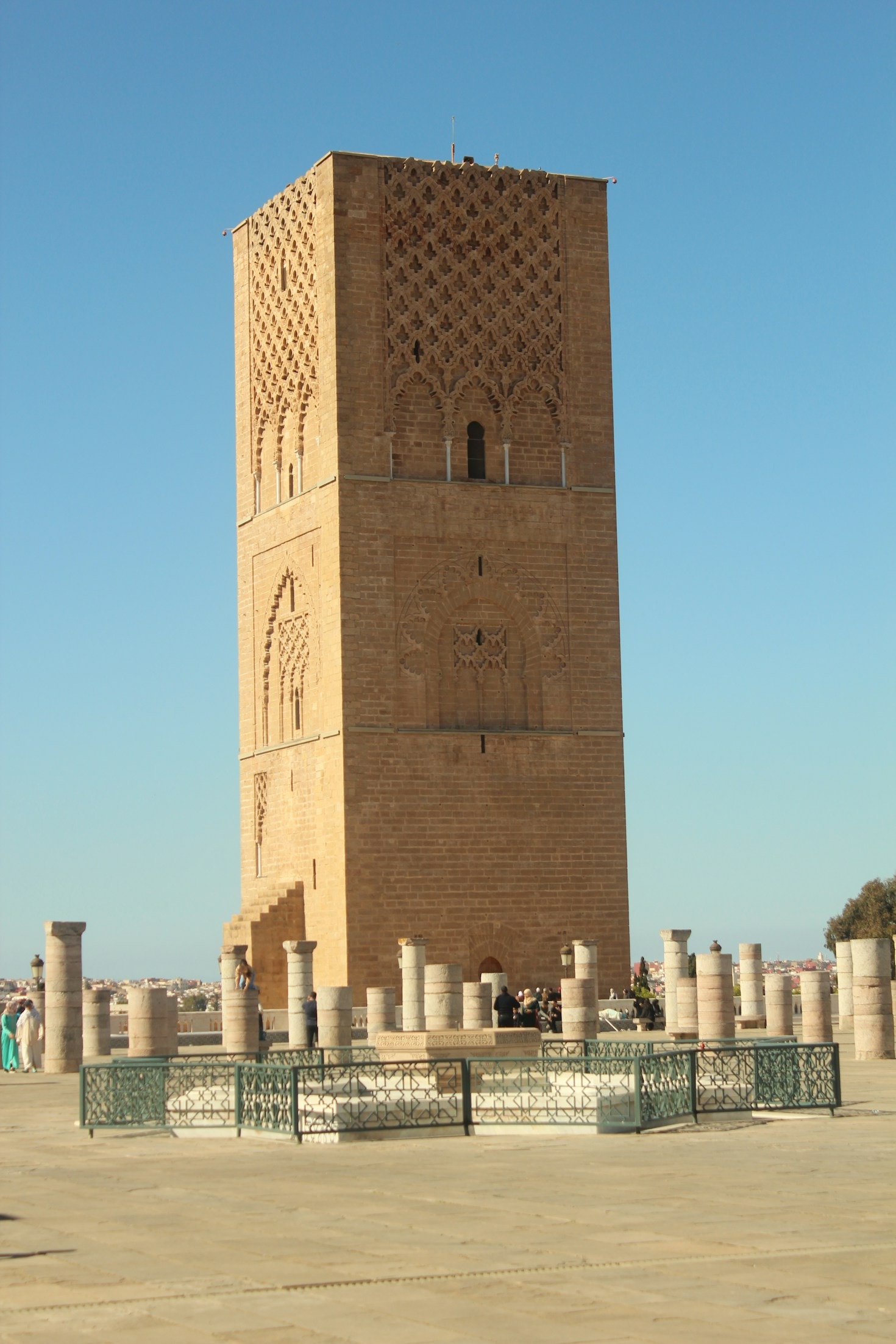
Why Morocco Is on the Investor Radar
Picture a country where the Atlantic meets the Mediterranean, where Europe is a short ferry ride away and Africa’s fast-growing markets lie to the south. That is Morocco, and while it rarely grabs the biggest headlines, it has been quietly reshaping its economy for years.
The picture so far is one of steady growth and a wonderfully varied base. Farms produce citrus, vegetables and olive oil. Morocco holds some of the world’s largest phosphate reserves, a key ingredient in fertilizer. Car factories near Tangier and Kenitra export vehicles across Europe, aerospace suppliers around Casablanca build components for global aircraft makers, and tourism keeps drawing millions of visitors to places like Marrakech, Essaouira and the Atlas Mountains.
What ties these stories together? Energy. Factories need reliable power, farms need water that increasingly comes from desalination, and exporters face buyers who want cleaner supply chains. Morocco’s push into solar, wind and now green hydrogen is not a side project. It is becoming the thread running through almost every growth story in the country.
From Energy Importer to Renewable Ambition
Morocco has no oil or gas fields of any real size, so for decades it has bought roughly 90 percent of its energy from abroad. That made life bumpy. When global prices jumped, the import bill swelled, public finances felt the squeeze, and the government had to spend heavily to keep fuel and electricity affordable.
The national strategy turns that weakness into a goal: by 2030, a majority of installed electricity capacity, around 52 percent, should come from renewable sources. The plan is already visible on the ground. The Noor Ouarzazate complex, on the edge of the Sahara, is among the largest concentrated solar power sites in the world, and it can keep producing electricity after sunset thanks to thermal storage. Large wind farms in places like Tarfaya, Essaouira and Tangier add clean power from the Atlantic coast.
Geography does much of the heavy lifting. Strong sunshine in the south and steady winds along the coast and across the Saharan provinces mean each installed panel or turbine produces plenty of energy, which helps keep costs down.
Why should anyone outside the energy industry care? Cheaper, home-grown power can ease pressure on household bills, lower production costs for businesses, and shrink the amount of money leaving the country to pay for fuel. That is good news for the trade balance, and for long-term economic stability.
Renewables by the Numbers
The shift is measurable. Energy Transition Minister Leila Benali has said the share of renewables in Morocco’s power mix rose to 46% in 2025, up from 37% in 2021. By the end of 2025 the country had about 5.5 GW of operating renewable capacity, roughly 2.4 GW of wind, 2.1 GW of hydropower and close to 1 GW of solar, according to Industrial Info Resources.
The next five years are planned on a larger scale. The national water and electricity utility ONEE has approved a MAD 248 billion plan for 2026 to 2030. Its electricity side includes a MAD 104 billion renewable program that would add 11.6 GW of generation and 2.6 GW of storage. Officials say Morocco could pass its 52% target before 2030, and in June 2026 Benali spoke of about $16 billion to add some 16 GW of renewable capacity over five years.
Green Hydrogen: The Next Big Bet
Beyond electricity, Morocco wants to export green hydrogen and the products made from it. Its “Offre Maroc” program, launched after a royal directive in 2022, covers the whole chain, from production and storage to infrastructure and export. Investors have been selected for six projects in the south, with a combined value reported at about 319 billion dirhams, to produce green ammonia, synthetic fuels and green steel.
A pilot project, called Power to Hydrogen, was scheduled to start in 2026 in the Guelmim-Oued Noun region. It is designed to produce 10,000 tonnes of green hydrogen a year with an electrolyser of at least 100 MW, linked to a desalination plant in Tan-Tan. Europe is the main target market, where the EU’s REPowerEU plan has set a goal of importing 10 million tonnes of green hydrogen a year by 2030.
What It Means for Business
- Lower energy risk: more domestic power means less exposure to imported fuel prices.
- Cleaner exports: European buyers increasingly want lower-carbon supply chains, which favors Moroccan factories that run on renewables.
- New industries: hydrogen, ammonia, storage and grid work create demand for engineers, contractors and local suppliers.
Risks Worth Weighing
- Demand is not guaranteed. The European import target is ambitious, and global hydrogen prices and policies can change.
- Delivery gaps. Benali has noted that the real contribution of renewables is below expectations, partly because solar equipment is imported and self-generation is expanding.
- Rules and incentives. Analysts say Morocco must keep improving its regulatory and tax framework to hold the confidence of long-term investors.
- Water. Electrolysis needs water, which in Morocco largely means desalination.
- Competition. Egypt and South Africa are also pursuing hydrogen, although Morocco’s program is described by analysts as the most advanced in Africa.
The Bottom Line
Morocco is moving from a country that imports most of its energy to one that wants to sell clean energy. The numbers show real progress on renewables, while hydrogen remains a large and still unproven bet. For readers, the main thing to watch is delivery: how fast projects move from announcements to power plants and exports.
Sources: North Africa Post, Industrial Info Resources, Morocco World News, North Africa Post (hydrogen), Atalayar.


Leave a Reply