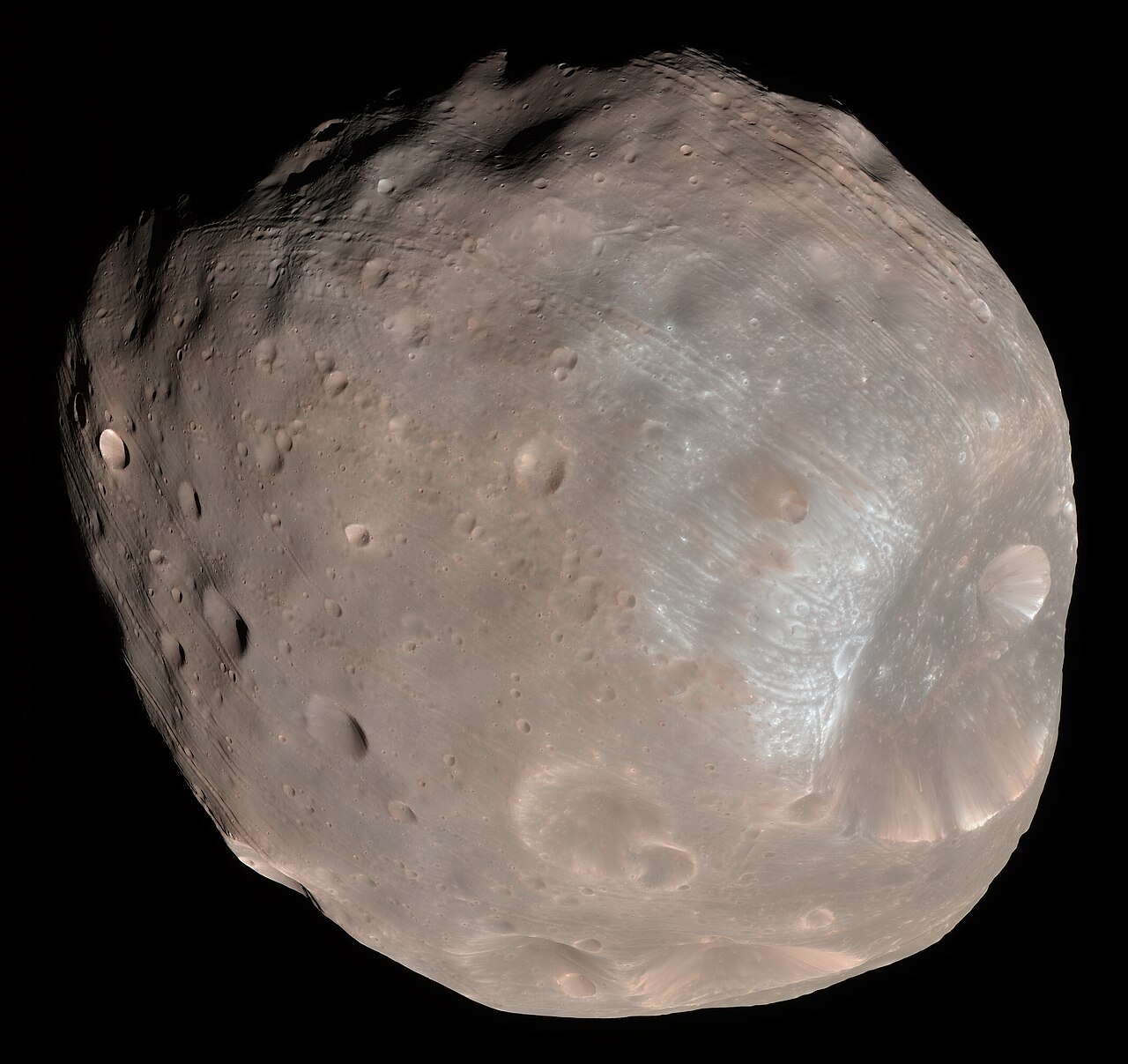
Japan’s space agency JAXA has launched a spacecraft on a multi-year mission to the moons of Mars, aiming to bring back the first samples ever collected from a moon other than Earth’s own. The Martian Moons eXploration probe, known as MMX, lifted off on an H3 rocket from the Tanegashima Space Center.
Launch and first milestones
According to Space.com, liftoff took place from Pad-2 at the Yoshinobu Launch Complex at 1941 GMT on October 19, which was 4:41 a.m. on October 20 in Japan. It was the tenth flight of the H3 rocket. The spacecraft separated from the upper stage about 71 minutes after launch, on schedule, following the burn that sends it toward Mars.
The European Space Agency, a partner in the mission, says the probe is due to reach Mars in August 2027 and enter orbit around Phobos in September 2027.
What MMX is meant to do
ESA describes the mission as the first attempt to collect a sample from Phobos and return it to Earth. Scientists hope the material will help settle a long-running question: whether Mars’s two small moons are captured asteroids or debris thrown up by a giant impact on Mars.
- Two separate touchdowns on Phobos are planned after a mapping campaign to choose landing sites, according to Space.com.
- The mission aims to bring home at least 10 grams of material, ESA says.
- France and Germany are contributing the IDEFIX rover, expected to be deployed to the surface in late 2028 or early 2029, Space.com reports.
- NASA supplies the MEGANE instrument, a sampler and communications support through its Deep Space Network.
A long road home
The spacecraft is scheduled to leave Mars for Earth in November 2030, with the sample capsule expected to land in Australia in 2031 before the samples go to Japan for analysis. That timeline leaves years of operations at Phobos ahead, but the successful launch marks the first major step for a project that has been in development for more than a decade.
Sources: Space.com; European Space Agency; ESA, MMX from launch to Phobos



Leave a Reply